Charting the synchronization hurdles between loyalty algorithms and real-time verification layers across multi-state digital poker ecosystems
Written by Otto Simmons · Aug 8, 2026
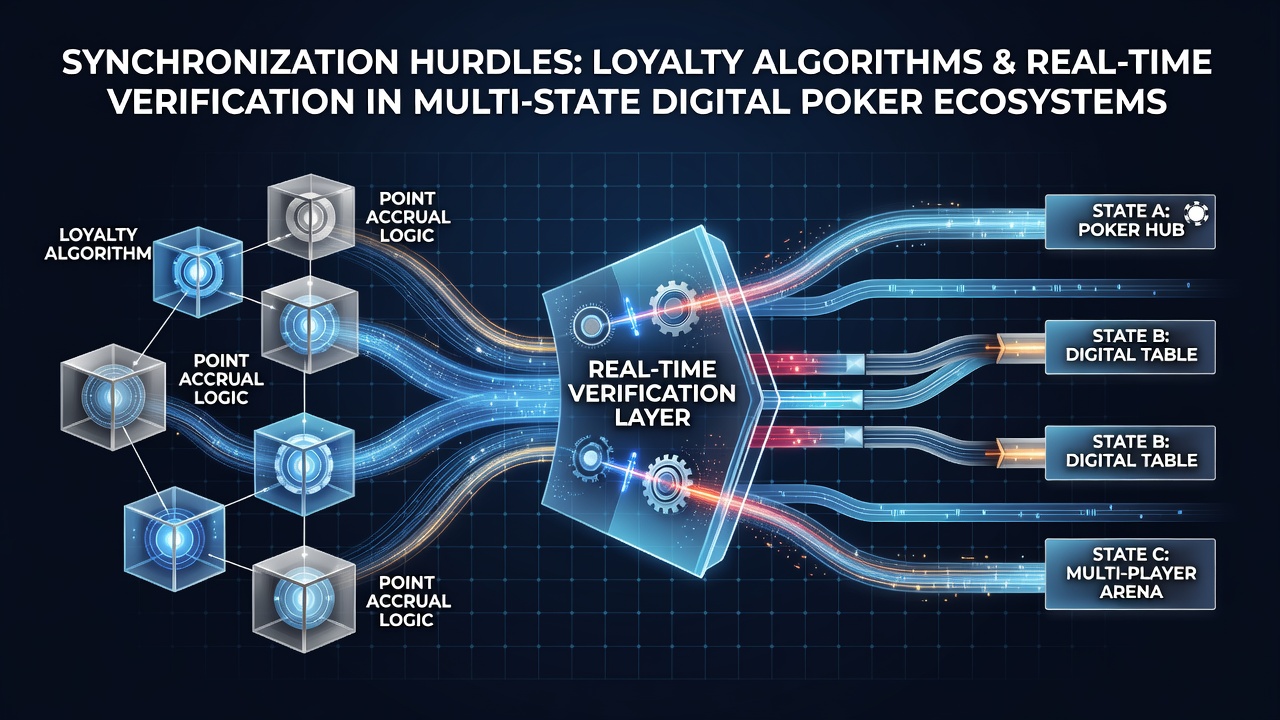
Charting the synchronization hurdles between loyalty algorithms and real-time verification layers across multi-state digital poker ecosystems
Digital poker platforms operating across multiple states face persistent challenges when loyalty algorithms attempt to sync with real-time verification layers, and these issues have grown more pronounced as operators expanded into new jurisdictions during 2026. Loyalty programs track player activity through points, tiers, and rewards while verification systems handle identity confirmation, age checks, geolocation, and transaction monitoring simultaneously, yet the two often operate on separate data pipelines that create delays and mismatches.
Core components driving the divide
Loyalty algorithms process behavioral data such as hand volume, session length, and wager amounts to adjust reward rates dynamically, whereas real-time verification layers pull from external databases and device signals to enforce compliance at login and during play. In states like New Jersey and Pennsylvania, operators must maintain separate compliance records that do not always align with the unified player profiles required for seamless loyalty tracking, and this separation leads to situations where verified users lose access to accrued points until manual reconciliation occurs.
Research from the University of Nevada's International Gaming Institute indicates that cross-state data handoffs introduce latency averaging 4.2 seconds per verification event when loyalty engines query updated compliance flags. Such delays compound during peak evening hours when multiple states route traffic through shared cloud services.
Regulatory fragmentation across state lines
Each state maintains distinct rules for data retention and player consent, so an algorithm calibrated for Michigan's faster verification windows struggles when the same player profile migrates to a Delaware-licensed room that requires additional tax documentation steps. Observers note that August 2026 regulatory filings revealed at least 17 documented incidents where loyalty tier upgrades were reversed after verification layers flagged address discrepancies between states.
Operators have responded by building middleware connectors that translate loyalty data into compliance formats accepted by each jurisdiction, yet these connectors require frequent updates whenever any state modifies its API standards. Data from the Pennsylvania Gaming Control Board shows that mid-2026 software patches addressed 62 percent of synchronization failures reported in the first half of the year, but residual errors continue to affect players who switch between mobile and desktop sessions.
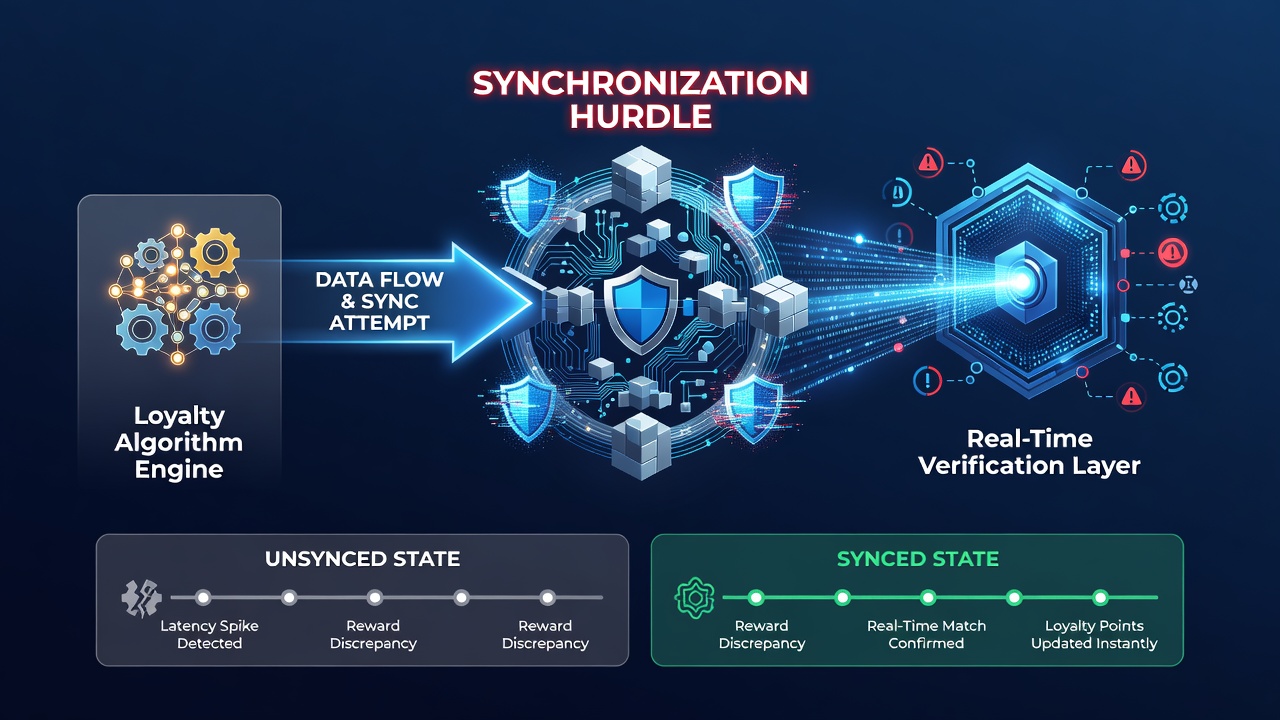
Technical friction points in practice
Real-time verification often relies on device fingerprinting and IP analysis that updates every few minutes, while loyalty algorithms batch process activity logs every fifteen minutes to calculate tier progression. When a verification event interrupts an active session, the loyalty engine may register the interruption as a session end and reset progress toward the next reward level. One study released by the Nevada Resort Association in early 2026 documented that 23 percent of player complaints in multi-state networks traced directly to such resets rather than to game outcomes or bonus disputes.
Encryption requirements add another layer, because loyalty data contains personally identifiable details that verification services must handle under stricter access controls than standard gameplay metrics. This forces operators to maintain duplicate encryption keys and audit trails, increasing both processing overhead and the chance that a key mismatch blocks reward delivery until support staff intervene.
Operational workarounds and remaining gaps
Some networks deploy edge computing nodes positioned near state borders to pre-validate loyalty flags before full verification completes, and early tests in August 2026 showed these nodes reduced average reconciliation time from 11 minutes to under 90 seconds. Yet adoption remains uneven because smaller operators lack the infrastructure budget to deploy similar nodes across every active state.
Industry reports from the European Gaming and Betting Association highlight parallel synchronization issues in cross-border European markets, suggesting that the core architectural tension between reward engines and compliance layers appears in any multi-jurisdiction environment. Those findings align with observations from North American operators who continue to refine API contracts and shared ledger approaches in an effort to close the remaining gaps.
Conclusion
Synchronization between loyalty algorithms and real-time verification layers in multi-state digital poker ecosystems continues to require ongoing technical investment and regulatory coordination. As more states authorize online poker and existing networks expand, the pressure to align these systems without disrupting player experience remains a central operational priority for 2026 and beyond.