Navigating Compliance Frameworks for New Payment Technologies in Online Casino Settings
Written by Otto Simon · Oct 4, 2026
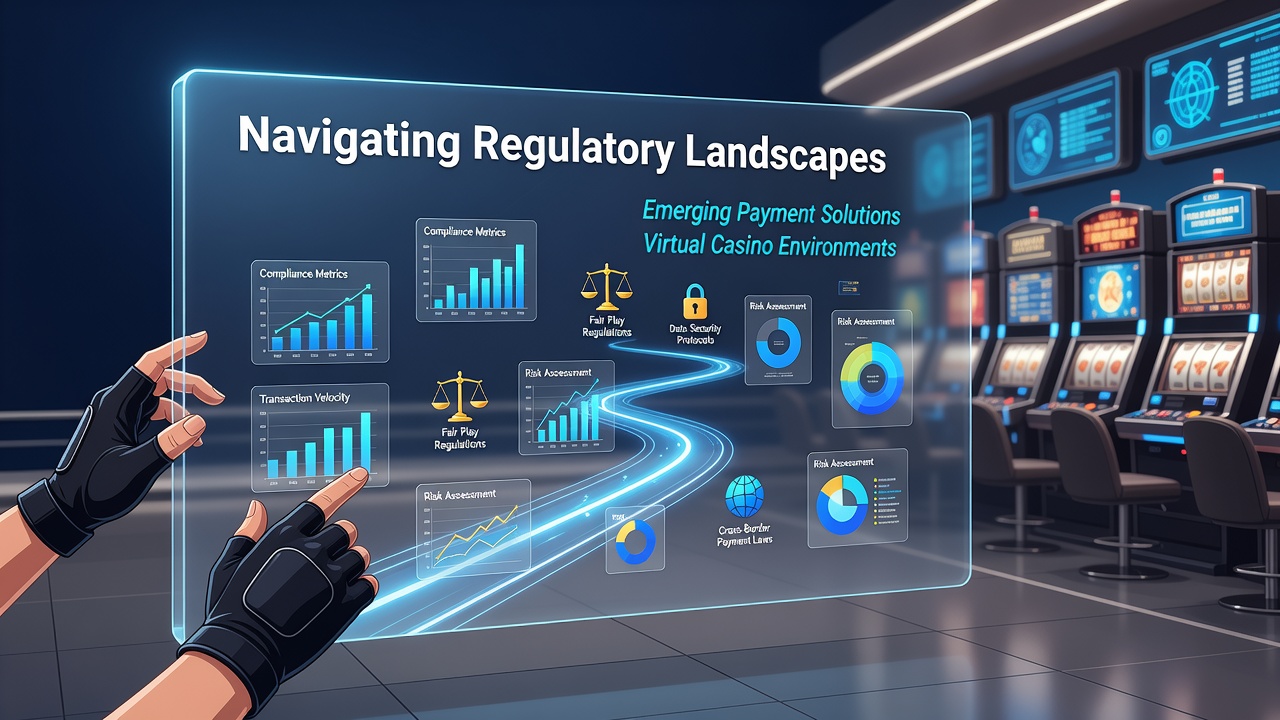
Navigating Compliance Frameworks for New Payment Technologies in Online Casino Settings
Virtual casino operators face a shifting set of rules when they introduce emerging payment solutions, and data from multiple jurisdictions shows that these requirements differ sharply by region and technology type. Regulators in North America, Europe, and Australia continue to update licensing conditions around digital wallets, cryptocurrency transfers, and instant bank transfers, which forces platforms to adjust their transaction flows in real time.
Regional Differences in Oversight
Authorities in New Jersey and Pennsylvania maintain detailed reporting standards for every new payment channel, requiring operators to demonstrate how funds move from player accounts to game servers while preserving audit trails. Meanwhile, Malta and other EU-based regulators emphasize consumer protection measures such as mandatory cooling-off periods and transaction limits tied to verified identities. Observers note that these layered rules create separate compliance tracks that companies must satisfy simultaneously when they operate across borders.
Canadian provinces like Ontario have released updated guidance in 2026 that covers blockchain-based settlements, and figures from iGaming Ontario reveal that platforms must now submit third-party security audits before launching any new digital asset option. Australian regulators have taken a similar approach by requiring clear disclosure of conversion fees and volatility risks when cryptocurrency appears in payout systems.
Key Technical and Documentation Demands
Companies introducing stablecoin or e-wallet products typically prepare extensive documentation packages that include flow diagrams, smart-contract code reviews, and anti-money-laundering risk assessments. Licensing bodies often request live demonstrations where regulators can trace a sample transaction from deposit through withdrawal, checking for gaps in record-keeping or delays that exceed permitted thresholds.
One study released by the University of Nevada, Reno examined how payment latency affects compliance scoring, and the researchers found that systems exceeding three-second settlement windows triggered additional scrutiny in several tested jurisdictions. Operators therefore invest in high-speed reconciliation tools that generate timestamped logs automatically for each transaction batch.

Recent Developments Through October 2026
During October 2026 several U.S. states circulated draft rules that would require real-time monitoring of cryptocurrency volatility when used inside casino environments. The proposals include automatic conversion to fiat at the moment of deposit, a step designed to reduce exposure for both players and operators. European authorities have meanwhile begun pilot programs that let selected licensees test instant bank transfer solutions under supervised sandboxes, with weekly data submissions required throughout the trial period.
Industry associations such as the European Gaming and Betting Association have published comparative charts that map approval timelines across member states, and these documents indicate that average review periods for new payment methods now range from six to fourteen weeks depending on the complexity of the underlying technology.
Practical Steps Operators Follow
Most platforms begin by mapping each proposed payment rail against every jurisdiction where they hold a license, then they create a compliance matrix that flags missing controls. Legal teams coordinate with technology vendors to embed required features such as geofencing, velocity checks, and source-of-funds verification directly into the payment gateway code. Testing occurs in isolated environments before any rollout to real player accounts, and results feed into final submissions to regulators.
Third-party auditors frequently participate in these preparations, reviewing both the technical implementation and the written policies that govern ongoing monitoring. Data from these audits becomes part of the formal license amendment request, which regulators evaluate before granting permission to activate the new solution.
Conclusion
Regulatory landscapes for emerging payment solutions in virtual casino environments continue to evolve through detailed guidance, sandbox testing, and cross-border coordination. Platforms that maintain thorough documentation, conduct regular audits, and align technical systems with jurisdiction-specific rules position themselves to introduce innovations while meeting current compliance expectations across multiple markets.