Regulatory Influences on Payout Processing Across Global Digital Betting Platforms
Written by Otto Simon · Nov 15, 2026
Regulatory Influences on Payout Processing Across Global Digital Betting Platforms
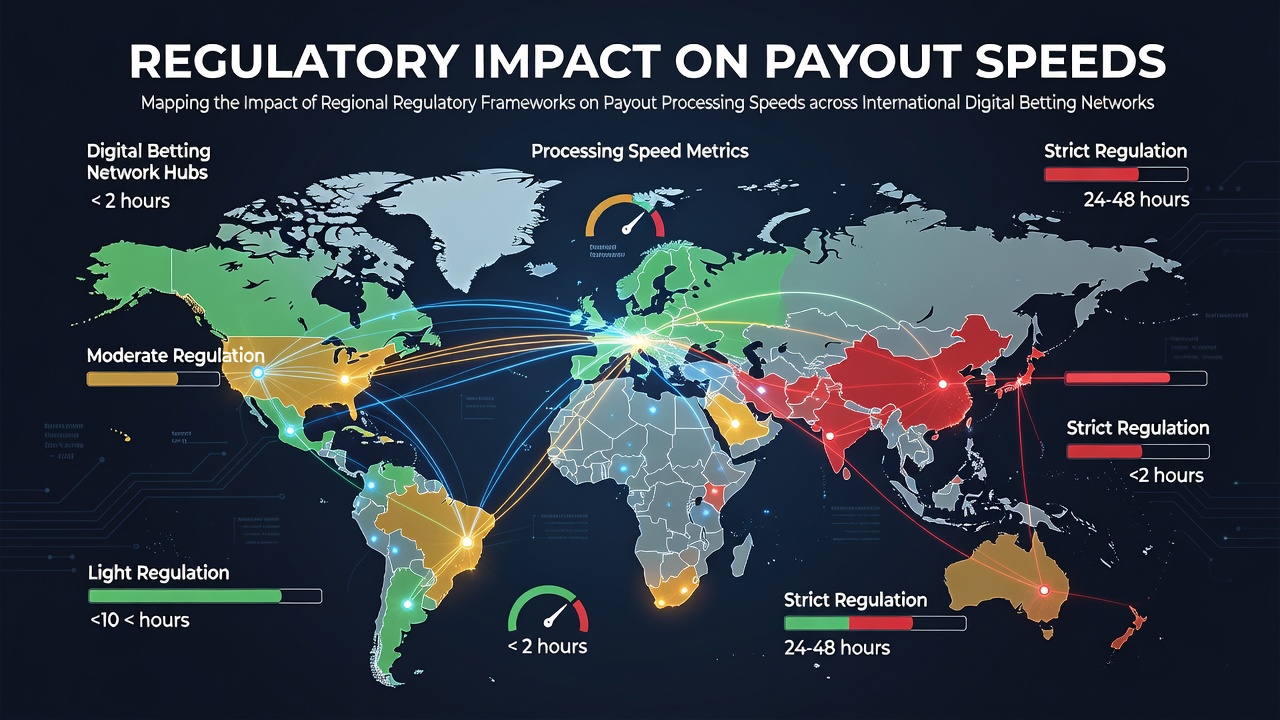
Regional regulatory frameworks create distinct pathways for payout processing in international digital betting networks, and operators must navigate these differences to maintain efficient fund transfers across borders. Data from late 2026 shows that processing times vary significantly depending on jurisdiction-specific rules around anti-money laundering checks, tax withholdings, and banking integrations, with some regions completing transactions in hours while others extend to several business days.
European Frameworks and Their Processing Patterns
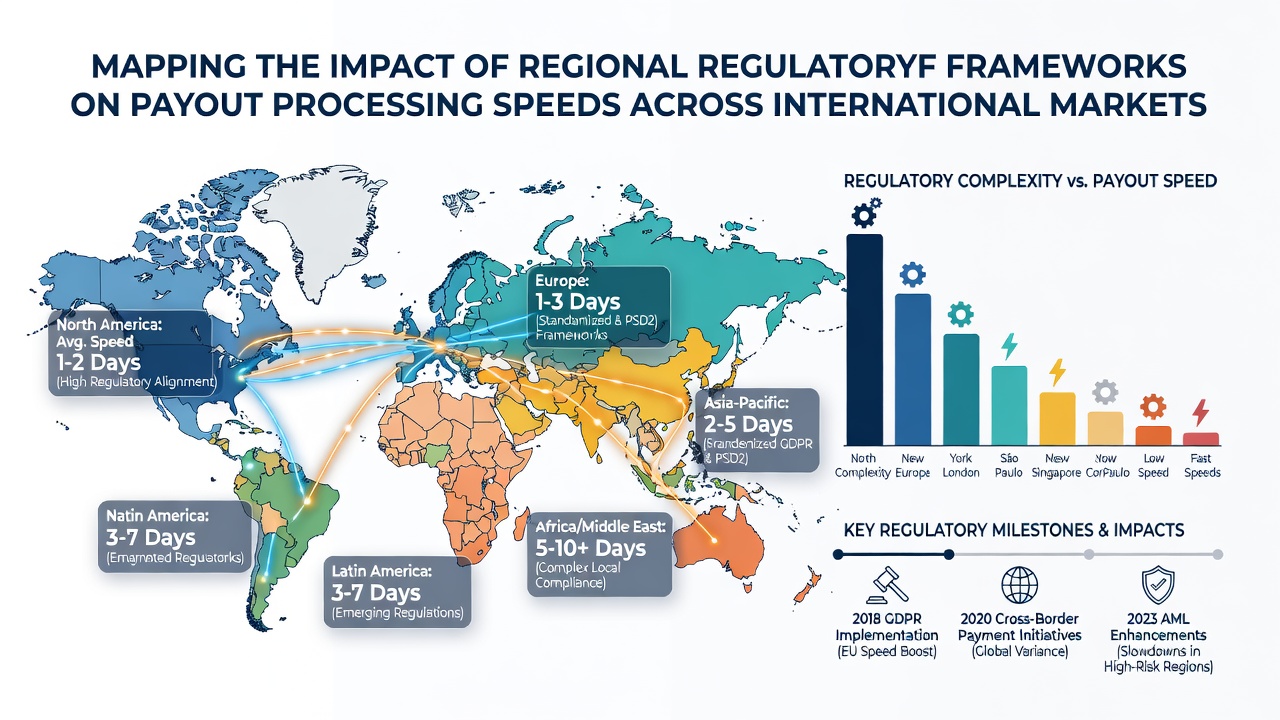
European regulatory structures emphasize strict verification protocols that directly shape payout timelines in digital betting environments. Operators serving markets under the Malta Gaming Authority and similar bodies must complete layered identity confirmations before releasing funds, which extends average processing windows to 24-72 hours for standard withdrawals. Research from European gaming associations indicates that these requirements reduce fraud incidents by measurable margins yet create bottlenecks during peak periods in November 2026 when transaction volumes rise.
Cross-border operators often coordinate with multiple national authorities simultaneously, and this coordination adds further steps to the approval chain. Banking norms in certain European countries require additional reporting for transfers above specific thresholds, which slows the movement of winnings through traditional financial channels while digital wallet options sometimes bypass some of these delays.
North American Regulatory Variations
North American jurisdictions demonstrate contrasting approaches that produce measurable differences in payout speeds. State-level oversight in the United States imposes varying documentation standards, and platforms operating across multiple states must align with each set of rules, resulting in processing times that range from same-day releases in more streamlined markets to multi-day waits elsewhere. Figures from the Nevada Gaming Control Board highlight how integrated payment systems in regulated environments contribute to faster average completion rates compared with less harmonized regions.
Canadian provincial frameworks add another layer through centralized reporting requirements that affect how quickly international networks can clear funds. Observers note that operators serving both US and Canadian users often maintain separate processing queues to accommodate these divergent standards, and this segmentation helps prevent backlogs during high-volume months like November 2026.
Asia-Pacific Approaches to Payout Timelines
Asia-Pacific regulatory environments introduce unique constraints tied to currency controls and local banking partnerships. Markets with tighter foreign exchange rules experience extended verification periods that push payout processing beyond standard windows, particularly when networks must convert and route funds through approved domestic institutions. Industry reports reveal that platforms adapting to these conditions frequently incorporate region-specific digital payment rails to maintain competitive speeds despite the added compliance steps.
Operators in these markets balance regulatory demands with user expectations by deploying automated compliance tools that flag transactions early in the cycle. This proactive approach reduces the number of manual reviews required and shortens overall timelines even when multiple authorities must sign off on larger withdrawals.
Impact of Banking and Tax Regulations
Banking regulations and tax reporting obligations intersect with gaming rules to create compound effects on processing speeds. Jurisdictions that mandate real-time tax deductions at the point of payout require additional system integrations, which adds minutes or hours to each transaction depending on the complexity of the calculation. Data indicates that networks using unified payment gateways experience fewer interruptions from these requirements compared with those relying on fragmented banking connections.
International operators track these variables closely because shifts in one region's banking policies can ripple outward and affect payout performance for users located elsewhere. In November 2026, several networks adjusted their routing algorithms after new reporting thresholds took effect in multiple markets, demonstrating how interconnected the global system remains.
Technology Adaptations Across Networks
Digital betting platforms respond to regulatory diversity by implementing modular payment architectures that accommodate different rule sets without compromising overall network performance. These systems segment transactions according to destination jurisdiction, apply the appropriate compliance checks, and then route funds through optimized channels. Studies from academic research centers focused on financial technology show that such segmentation improves average processing speeds by measurable percentages across multi-jurisdictional operations.
Encryption standards and secure data-sharing protocols further support faster approvals while satisfying regulatory demands for audit trails. Networks that invest in these technologies maintain steadier payout performance even as rules evolve in different regions throughout 2026.
Conclusion
Regional regulatory frameworks continue to define payout processing speeds in international digital betting networks through their specific requirements for verification, reporting, and financial routing. The variations observed across Europe, North America, and Asia-Pacific illustrate how local rules produce distinct operational outcomes while operators develop technical solutions to manage these differences. Current data from November 2026 confirms that platforms adapting their systems to multiple regulatory environments achieve more consistent performance across borders.